

CFO GROUP INTEGRATED SERVICES
How Marketing Automation Works: A Complete Guide to Smarter, Scalable Marketing
CMO Media Lab Pte Ltd • November 4, 2025
Introduction: Unlock Scalable Growth with Marketing Automation
In today’s digital-first world, businesses face increasing pressure to deliver consistent results across multiple channels while keeping marketing costs efficient. Marketing teams now juggle email marketing, social media management, ad campaigns, content creation, reporting, and customer retention—all while trying to build a predictable sales funnel. Add the demand for personalized messages and real-time customer engagement, and the workload becomes unmanageable without automation tools.
This is precisely where marketing automation steps in as a growth engine. Instead of relying on manual tasks, spreadsheets, and guesswork, marketing automation software allows companies to automate repetitive marketing tasks, streamline marketing workflows, and deliver relevant content to target customers at scale. With intelligent automated workflows, businesses can guide each potential customer through a personalized customer journey—resulting in higher qualified leads, stronger customer satisfaction, and improved marketing effectiveness.
What Is Marketing Automation & Why It Matters for Customer Experience
Marketing Automation Explained: How Does Marketing Automation Actually Work?
Marketing automation refers to the use of technology, automation software, and marketing automation platforms to streamline, execute, and measure marketing campaigns across multiple channels. It centralizes data from social media platforms, websites, CRM, email, and ads to create a unified view of customer behavior.
In simple terms:
Marketing automation works by using customer data, automated workflows, and rules-based triggers to deliver personalized content and automate repetitive tasks across your entire marketing strategy.
While many think marketing automation = email marketing, the best marketing automation solutions go far beyond that. They include:
- Lead generation & lead nurturing
- Customer segmentation & dynamic content
- CRM and Salesforce Marketing Cloud integrations
- Social media automation
- Multi-channel campaigns
- Automated workflows & marketing processes
- Tracking and analyzing campaign performance
- Syncing data across all marketing channels
When implemented correctly, a marketing automation platform becomes the marketing command center for your entire digital marketing strategy—helping your marketing team scale faster, work smarter, and achieve better ROI.
Key Benefits of Marketing Automation for Modern Businesses
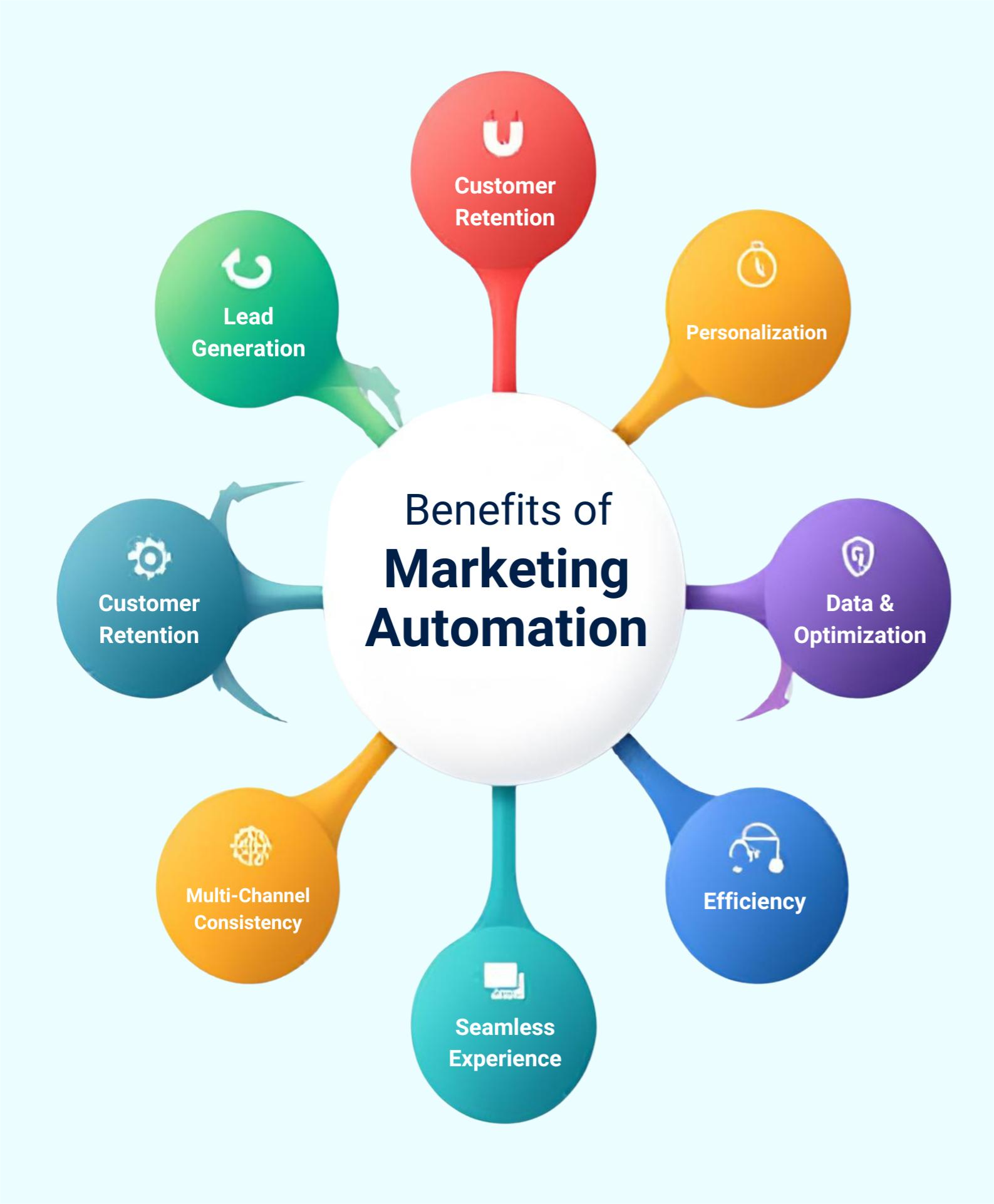
Modern businesses rely on automation for survival and scale. The top benefits of marketing automation include:
- Generate more qualified leads with automated lead scoring
- Improve customer retention through relevant, timely follow-ups
- Automate repetitive marketing tasks so marketing teams can focus on strategy
- Deliver personalized messages using real customer behavior
- Track campaign performance with real-time reporting
- Run multi-channel campaigns that stay consistent across email, social, website, and ads
- Create a seamless customer experience from awareness to purchase
Automation makes your marketing efforts more consistent, more personalized, and more profitable.
How Marketing Automation Actually Works (Step-by-Step)
To understand how marketing automation works, you need to understand the core logic behind every automation workflow.
The Core Logic: “If This, Then That” (IFTTT)
Marketing automation platforms operate using rules-based logic.
Every automated workflow uses IFTTT logic:
| Trigger ("If This") - What Activates the Workflow | Action ("Then That") - What the Automation Tool Does |
|---|---|
| Form submission | Send an email automatically |
| Online shopping cart abandonment | Deliver personalized content on your website |
| Clicking a link in an email | Add a customer to a segment |
| Visiting key website pages | Assign a sales task to your sales team |
| Reaching a lead score threshold | Update CRM fields |
| Registering for a webinar | Launch retargeting ads |
| Following a social media account | Send social media posts |
| (Any customer data change triggering automation) | Start another automated campaign |
This is the foundation of how marketing automation works—data + triggers + automated workflows = scalable marketing.
Key Components of a Marketing Automation Workflow
| Component | Description |
|---|---|
| Triggers | The starting point of every automated campaign. |
| Actions | Email sends, tagging, notifications, CRM updates, retargeting, and social media interactions. |
| Delays | Scheduled time gaps (e.g., "wait 24 hours") to pace communication. |
| Conditional Logic | Branches such as "If opened email ? send this; if not ? try again later" to personalize the customer journey. |
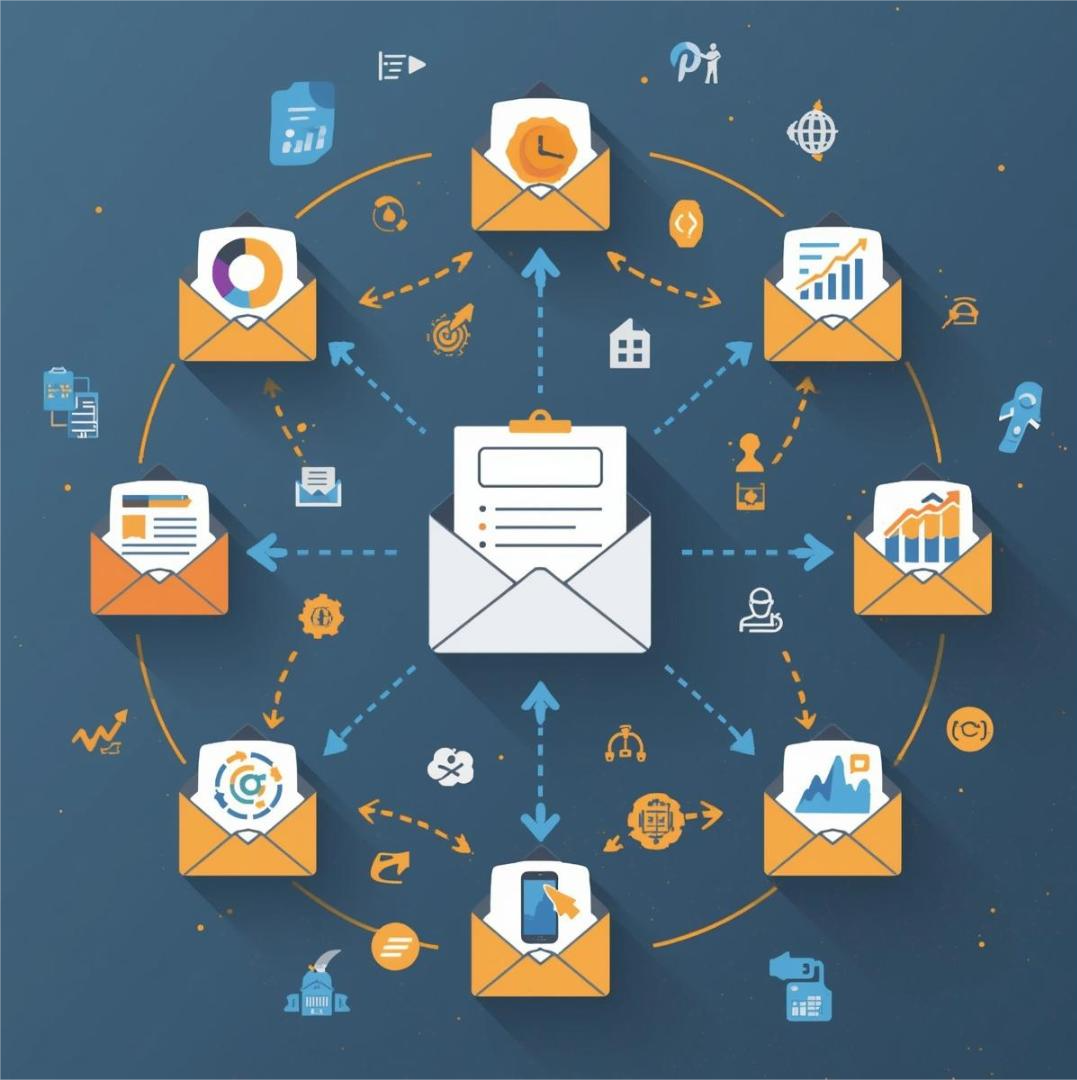
Real Example: A High-Converting Email Marketing & Automation Workflow
Here’s a breakdown of how marketing automation works in a real scenario:
- Trigger: User downloads an e-book on your website
- Action 1: Marketing automation software sends a delivery email
- Action 2: The lead is added to a customer segmentation list based on interest
- Delay: Wait 48 hours
- Action 3: Send a follow-up email with helpful resources
- Conditional Branch:
- If they engage → move to a nurturing sequence
- If not → send a re-engagement email
This automated workflow guides each potential customer deeper into your marketing funnel—without your marketing team lifting a finger.
Blueprint for Implementing Marketing Automation in Your Business
To implement marketing automation effectively, follow this five-step marketing automation strategy:
Step 1: Define Goals, KPIs & Your Automation Strategy
Before choosing marketing automation tools, clarify what you want to achieve:
- Increase qualified leads
- Boost customer retention
- Shorten the sales cycle
- Improve campaign performance
- Automate repetitive tasks
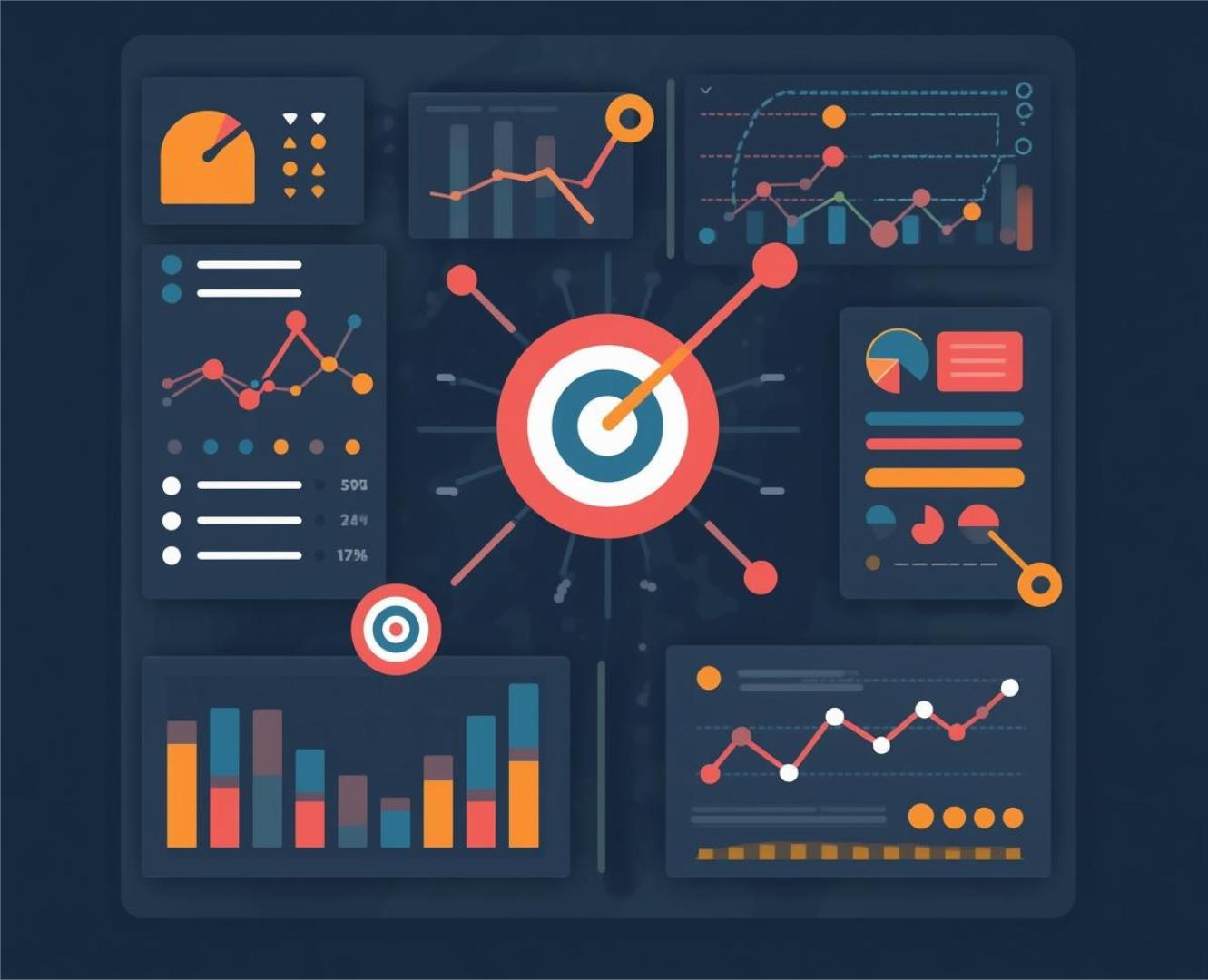
Track key metrics, including lead-to-customer ratio, engagement, conversion rate, and customer lifecycle value.
Step 2: Map Your Customer Journey for Stronger Customer Engagement
A successful marketing automation strategy aligns with your customer journey. Identify:
- Each stage of the marketing funnel
- Customer pain points
- Desired actions
- Behavior and motivations
- Relevant content for each step
Mapping this journey ensures every automated workflow enhances the customer experience.
Step 3: Choose the Right Marketing Automation Platform & Automation Tools
Look for marketing automation systems that offer:
- Email automation
- CRM syncing (Salesforce, HubSpot, Pipedrive)
- Multi-channel messaging
- Lead scoring
- Social media automation
- Ad campaign integrations
- Detailed reporting
- Strong segmentation capabilities
Popular automation platforms include
HubSpot, Marketo, ActiveCampaign, Pardot, Klaviyo, Brevo, and Salesforce Marketing Cloud.
Step 4: Build Your First Automated Campaign Using Automation Software
Start with high-impact but straightforward automated campaigns such as:
- Welcome sequences
- Lead nurturing workflows
- Post-purchase follow-ups
- Abandoned cart reminders
- Customer satisfaction surveys
These automated campaigns introduce your marketing automation work gradually while delivering immediate ROI.
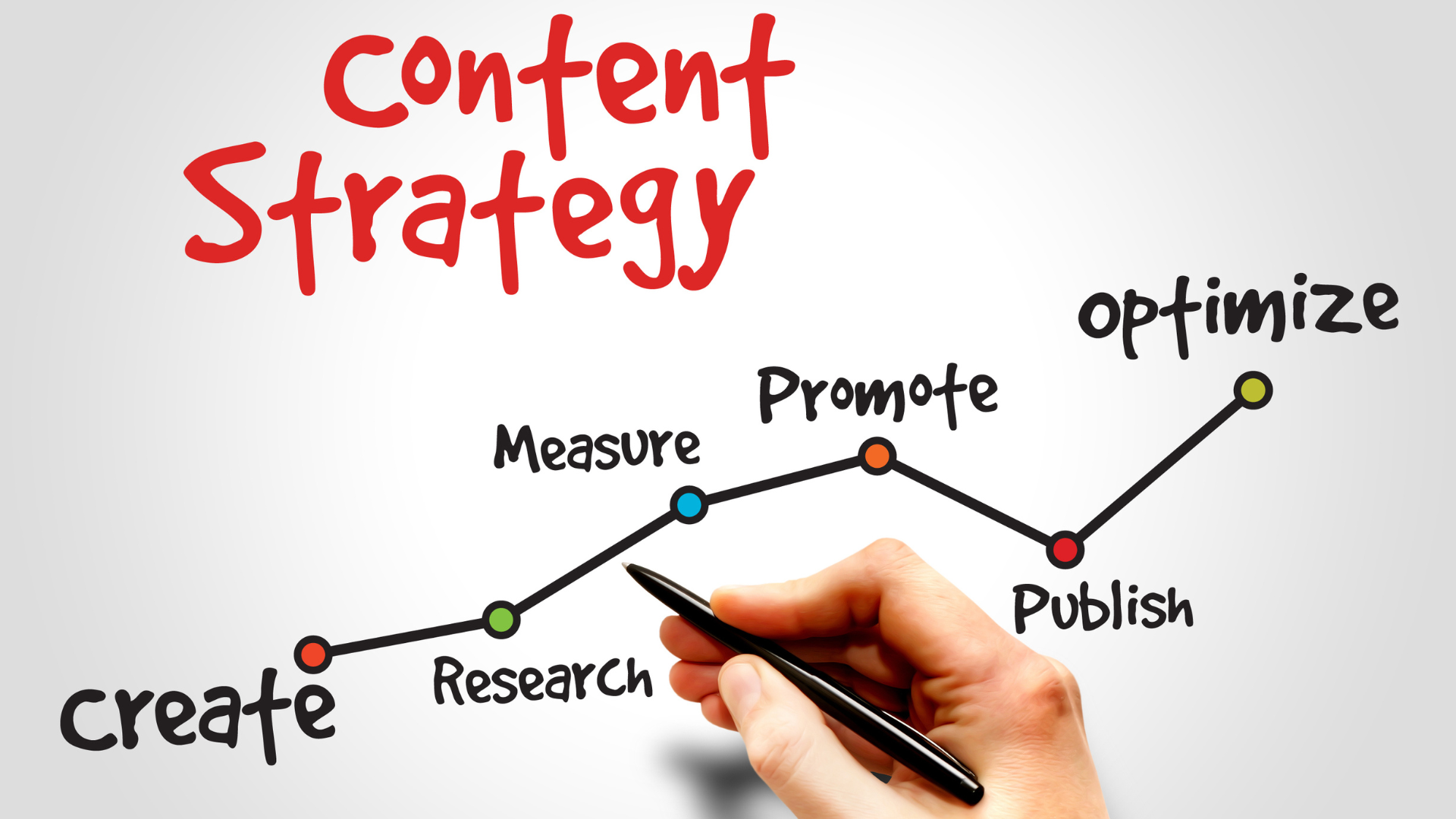
Step 5: Create Content That Fuels the Automation Engine
Automation delivers content—but content drives action. Develop:
- Educational emails
- Nurture sequences
- Lead magnets
- Dynamic content
- Social media posts
- Case studies & product demos
Together, your automation platform + strong content create meaningful customer engagement.
Advanced Strategies to Optimize Your Marketing Automation System
1. Personalization at Scale With Advanced Segmentation
Use customer data to build targeted segments based on:
- Behavior
- Industry
- Funnel position
- Email activity
- Social media engagement
This allows you to deliver personalized messages and relevant content to every target audience.
2. Lead Scoring, Lead Routing & Lead Nurturing
A decisive advantage of effective marketing automation:
- Score leads based on behavior
- Route high-intent leads to sales teams
- Nurture lower-intent leads automatically
This reduces sales friction and ensures your team focuses on the best opportunities.
3. Cross-Channel & Multi-Channel Campaigns
Marketing automation offers the ability to run:
- Email campaigns
- Retargeting ads
- Social media automation
- Website personalization
- SMS automation
- WhatsApp & chatbot workflows
Multi-channel campaigns strengthen your digital marketing strategy and create unified experiences.
4. AI-Powered Automation Tools for Smarter Marketing Workflows
AI improves automation by:
- Predicting customer behavior
- Suggesting next-best actions
- Writing email copy
- Optimizing send times
- Identifying high-intent leads
- Delivering smarter automated workflows
AI-driven automation is quickly becoming essential to modern marketing strategies.
5. Analytics & Reporting to Track Campaign Performance
Marketing automation makes it easy to track:
- Key metrics
- Funnel drop-offs
- Customer lifecycle stages
- ROI for each campaign
- Performance across marketing channels
Use this data to continuously optimize your automation strategy and marketing processes.
Common Automation Mistakes & Best Practices
| Common Marketing Automation Mistakes To Avoid | Best Practices for Effective Marketing Automation |
|---|---|
| ✖ Running set-and-forget workflows | ✔ Define clear goals |
| ✖ Over-automating communication | ✔ Focus on customer experience |
| ✖ Relying on tools without a strategy | ✔ Maintain a clean database |
| ✖ Poor data hygiene | ✔ Keep marketing & sales aligned |
| ✖ Targeting everyone instead of real target customers | ✔ Test, measure, and iterate |
| ✖ Not syncing CRM & marketing data | ✔ Deliver personalized content at every stage |
CMO Media Lab: The Automation Platform-Driven Agency for B2B Growth
CMO Media Lab helps B2B companies implement marketing automation systems that eliminate guesswork, automate repetitive marketing tasks, and build predictable pipelines. We don’t just create marketing campaigns—we engineer automated marketing machines combining Google Ads, Meta Ads, automation tools, email sequences, CRM integration, lead scoring, and multi-channel workflows.
Instead of vanity metrics, we focus on generating qualified leads and moving potential customers through the sales funnel with relevant content, dynamic workflows, and behavior-driven automation. If you want a digital marketing agency that uses advanced marketing automation solutions to deliver consistency, clarity, and scalable growth, CMO Media Lab is where modern B2B companies come to scale.

Conclusion: Marketing Automation Is the Engine of Scalable Modern Growth
Understanding how marketing automation works empowers businesses to automate repetitive tasks, scale marketing efforts, and deliver personalized content across multiple channels. By implementing marketing automation effectively—supported by strong content, clean customer data, and aligned teams—companies achieve greater efficiency, stronger customer engagement, and predictable long-term growth.
If you build the right workflows, adopt the right automation platform, and commit to continuous optimization, marketing automation becomes the foundation of a more innovative, scalable digital marketing strategy.